The String Family
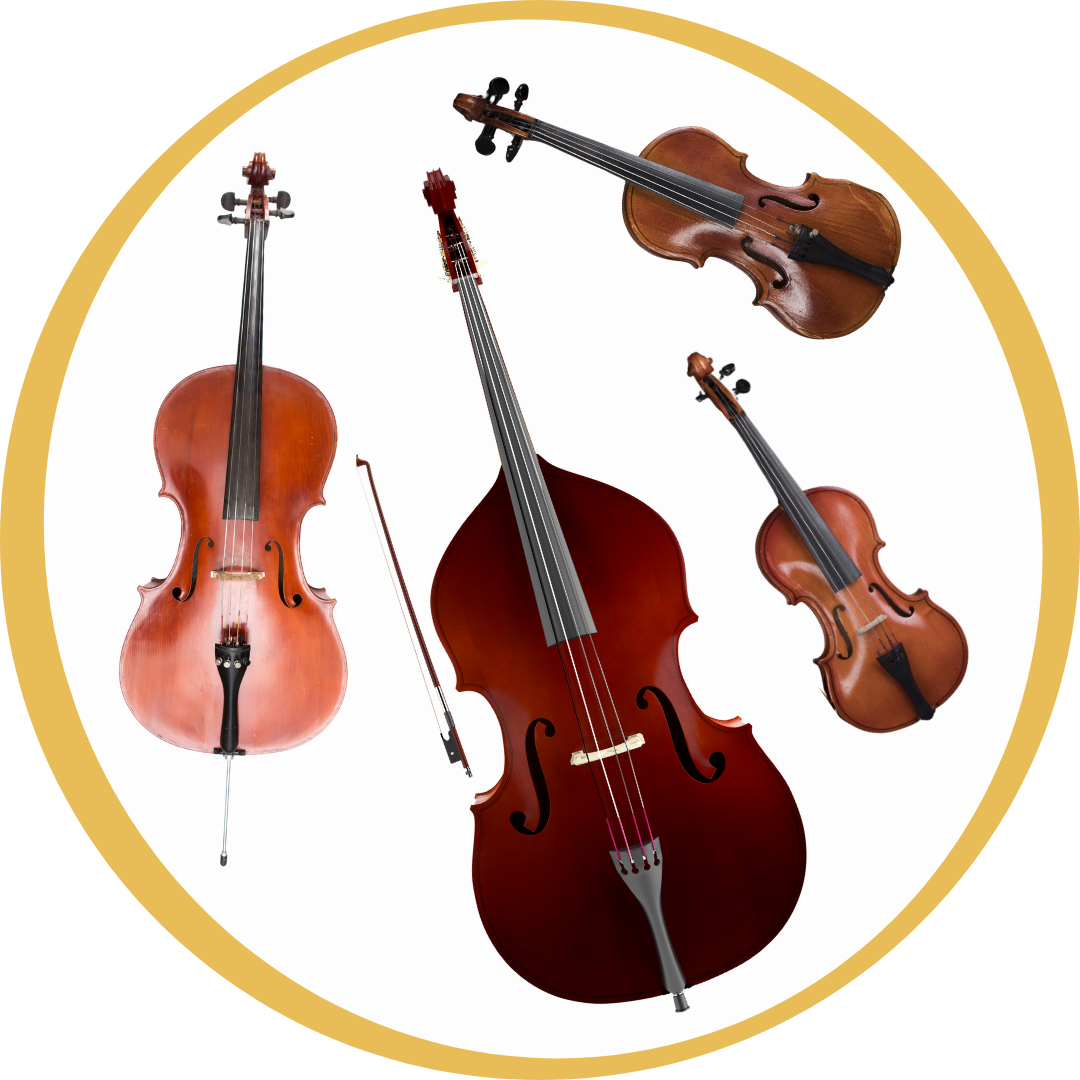
VIOLIN - VIOLA - CELLO - DOUBLE BASS
The string family is the backbone of many ensembles, especially in classical music. This family is made up of the violin, viola, cello, and double bass, all of which produce sound by vibrations created through the use of a bow or by finger-plucking. Together, these instruments make up the string sections in orchestras and chamber groups. Through notes ranging from high to low, these instruments bring beauty and emotion to different of musical genres.
Violin
Personality: Do you like expressive music, enjoy a challenge, and want to play music that can sound both bright and emotional? If you enjoy attention to detail and making music that really stands out, the violin might be a great fit for you!
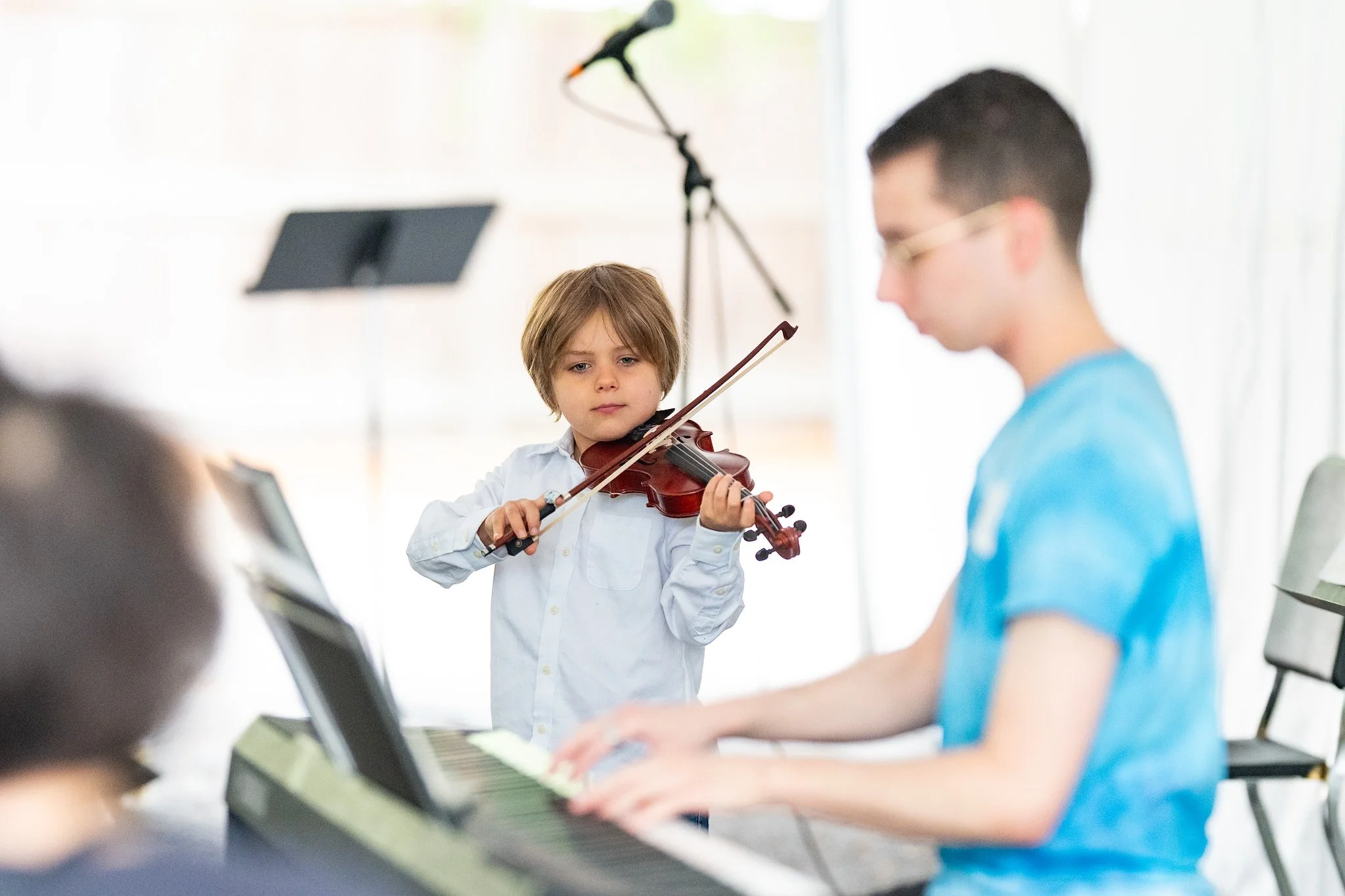
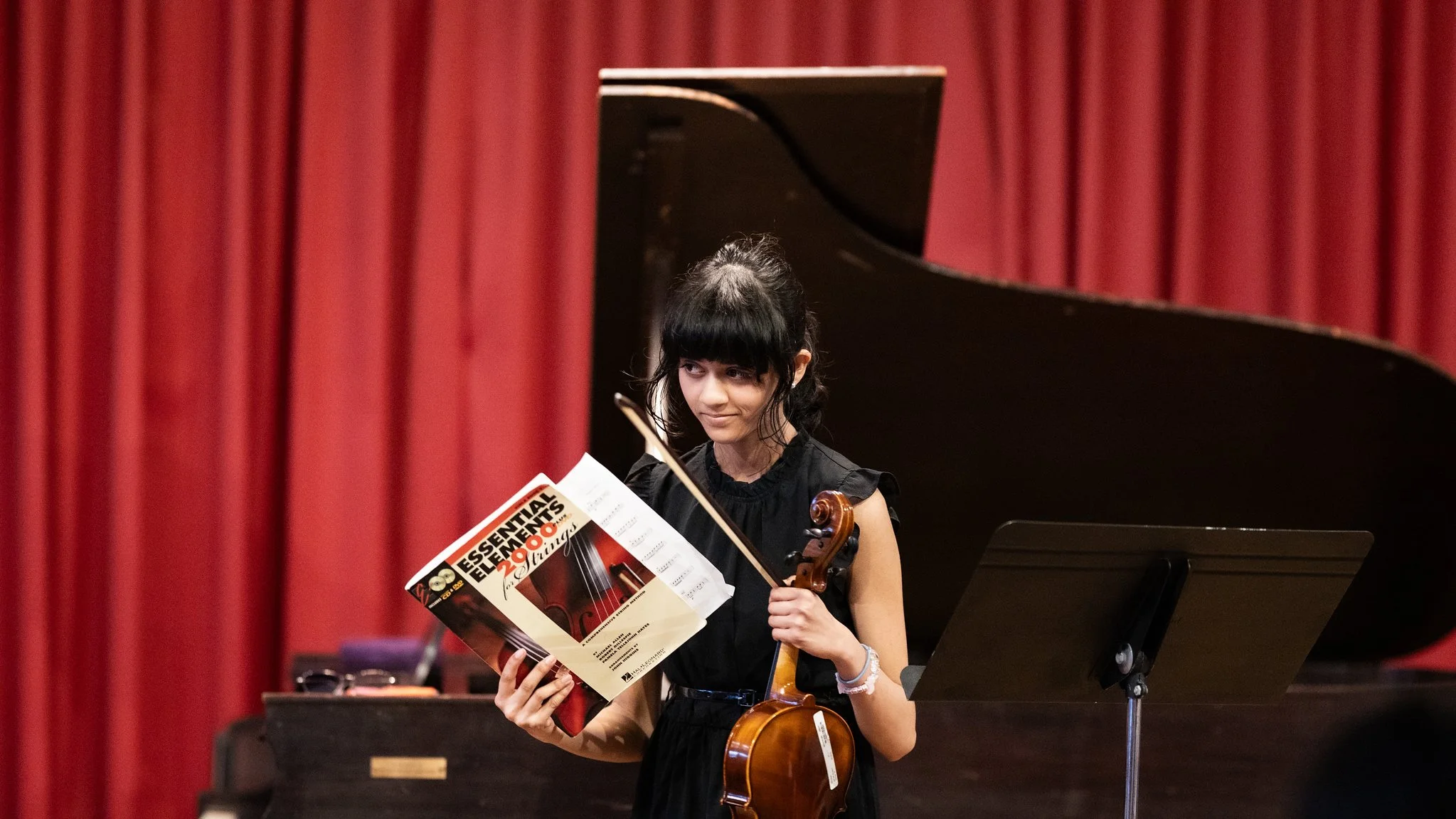
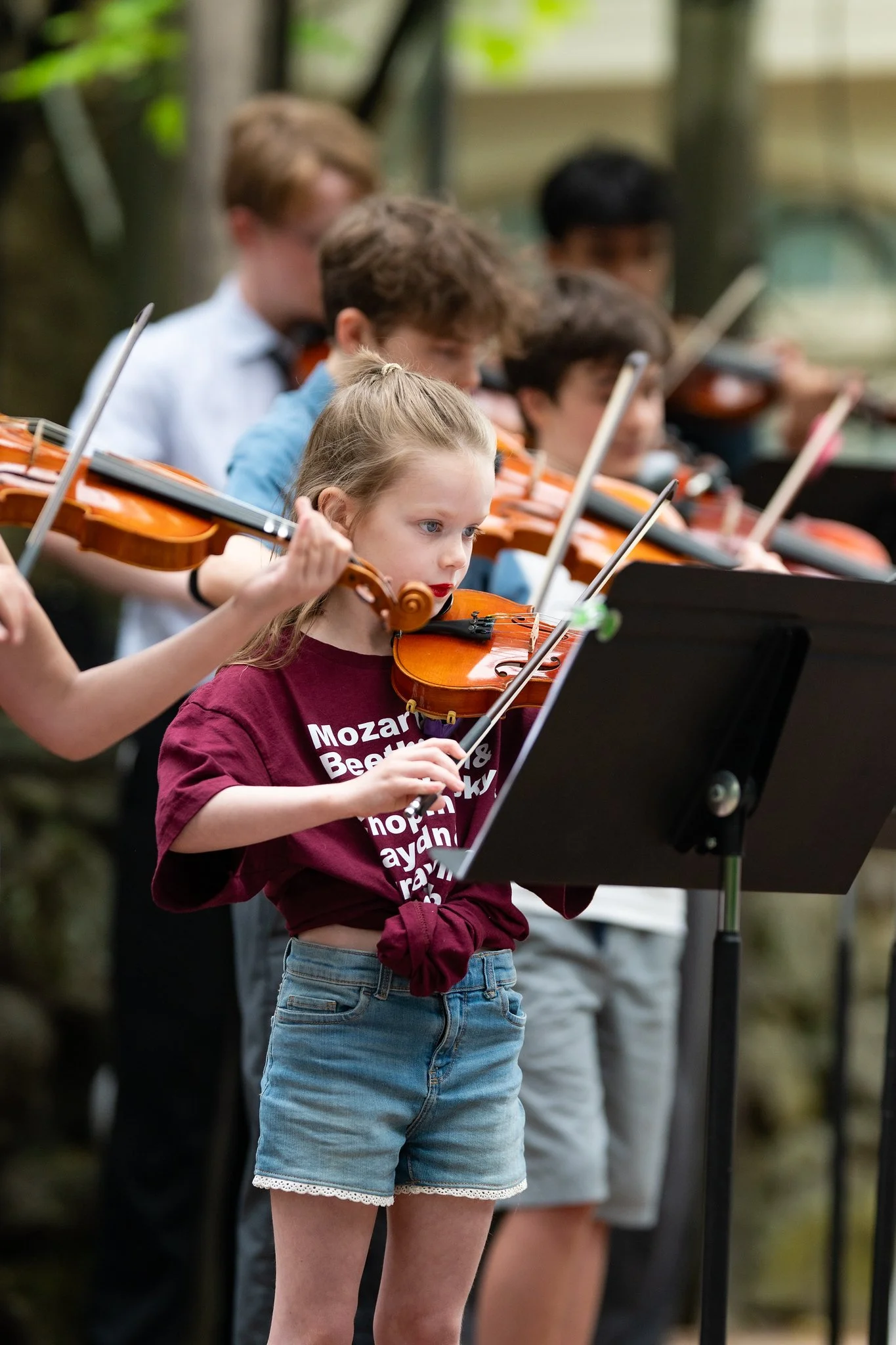
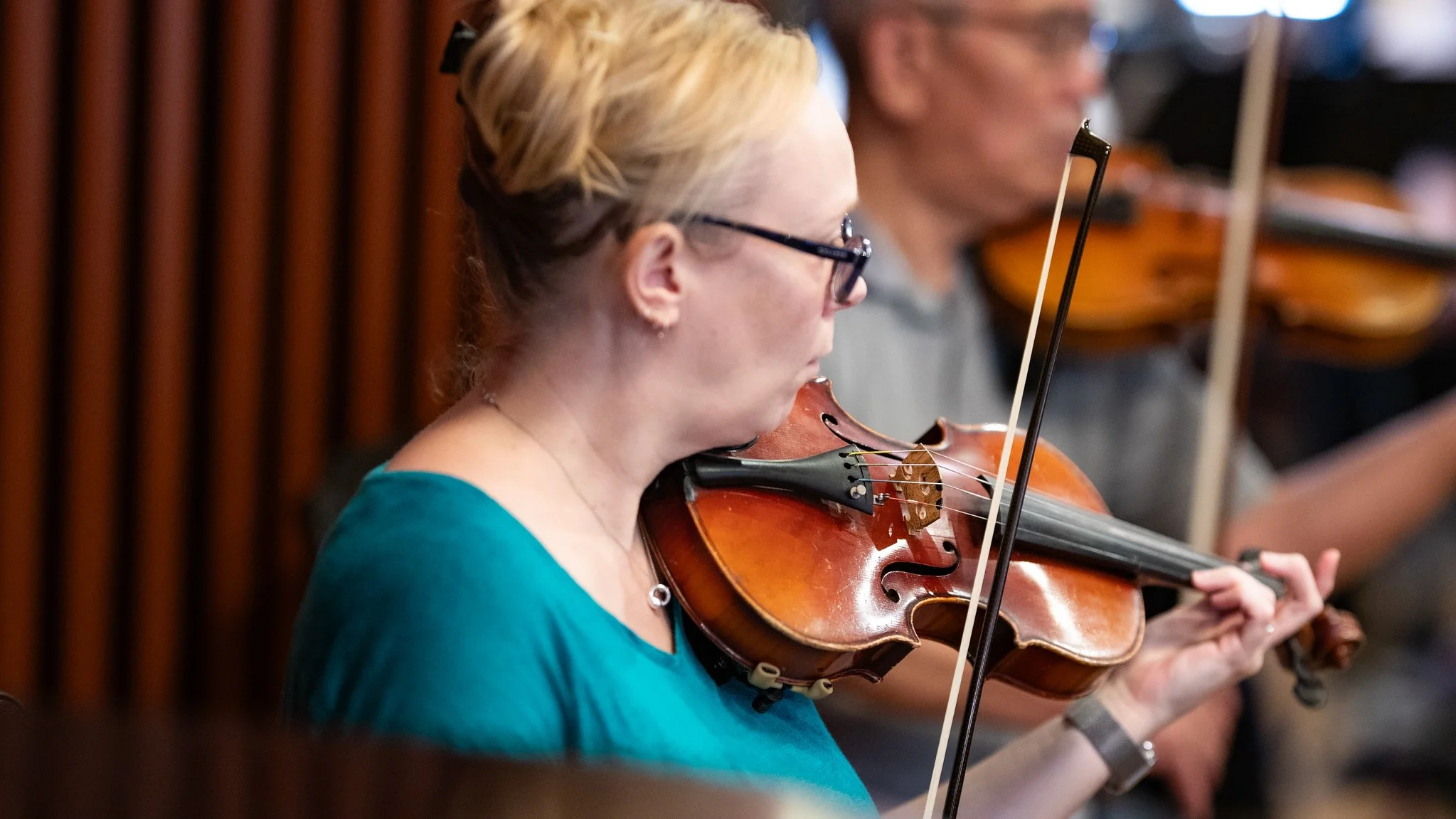
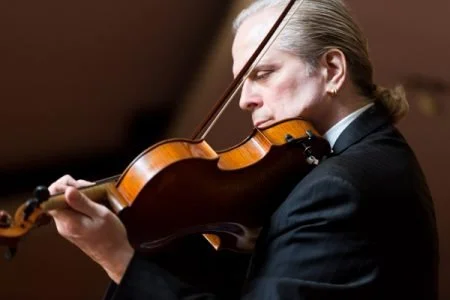
The violin is the smallest of the string family and it makes the highest sounds. A full-sized violin is around 2 feet long, with a slightly longer bow. Our younger violin students often play on 1/4, 1/2, or 3/4 size when beginning. The violin is played by resting it between your chin and left shoulder. Your left hand holds the neck of the violin and presses down on the strings to change the pitch, while your right hand moves the bow or plucks the strings.
Best age to start: 4 years and up
Viola
Personality: If you enjoy soft, rich sounds and like the idea of playing in a group, the viola might be the instrument for you! Violists enjoy both playing the melody and providing the harmonies. Since the viola sits in the middle of the orchestra, you’ll experience the sounds of the other string instruments swirling around you.
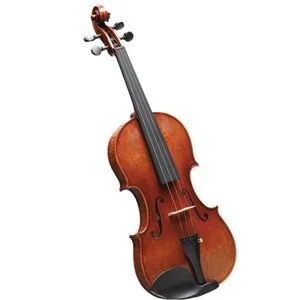
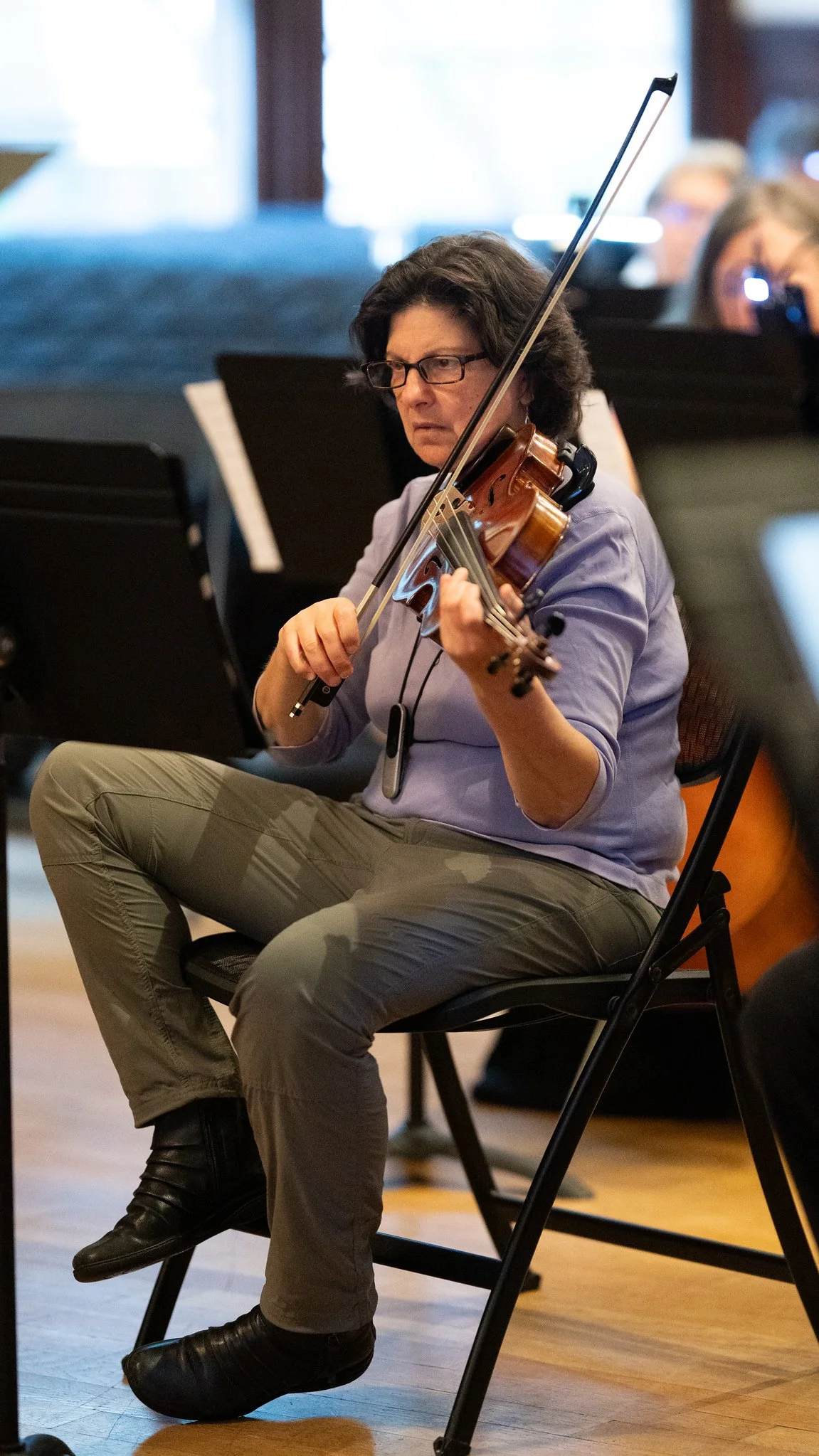
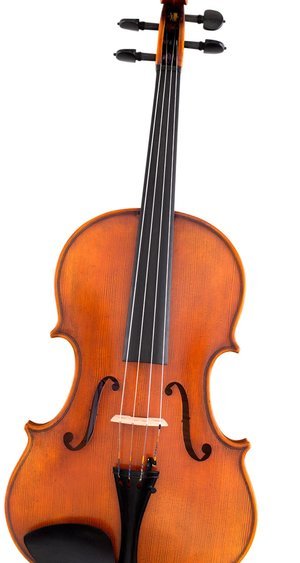
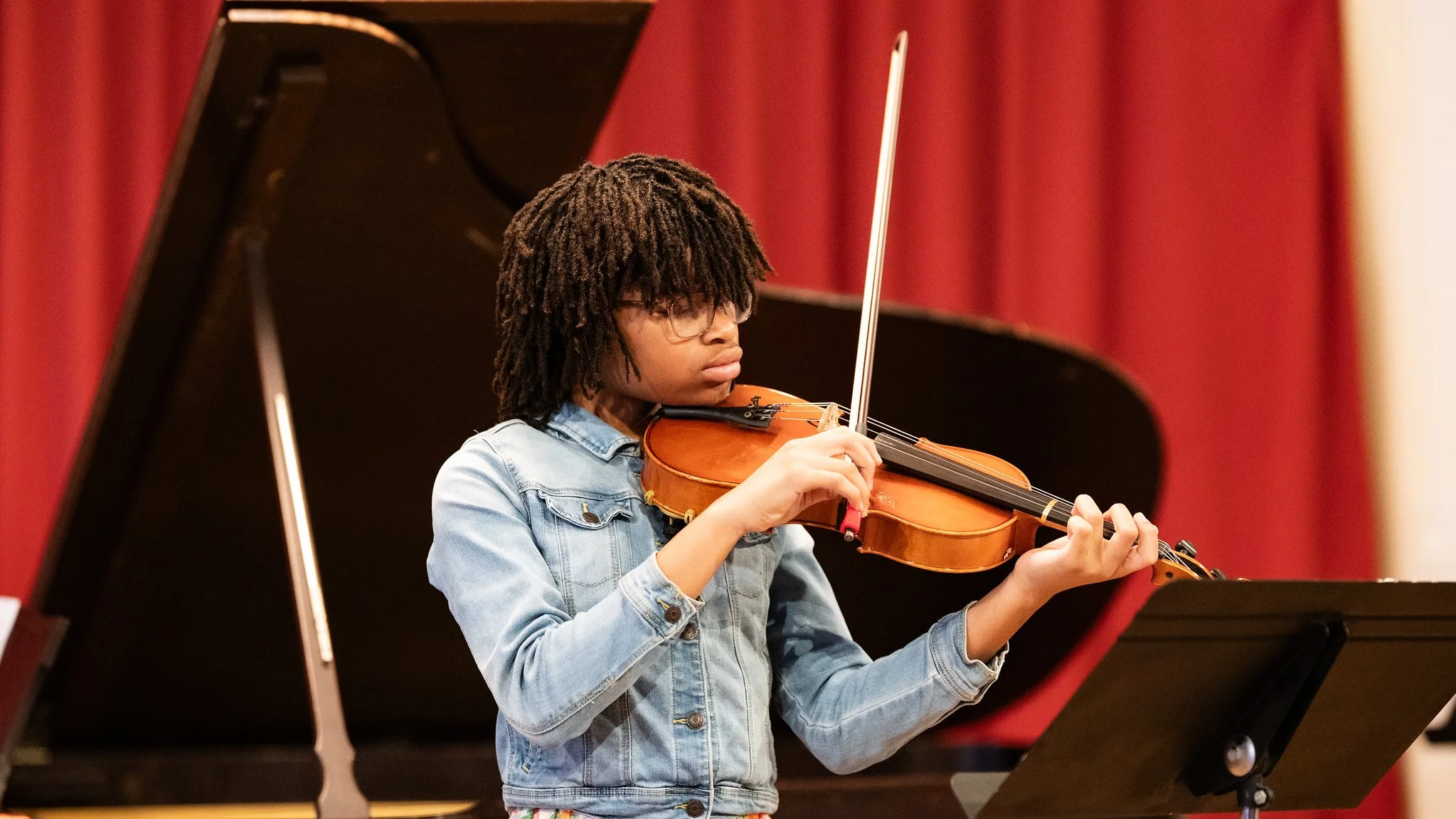
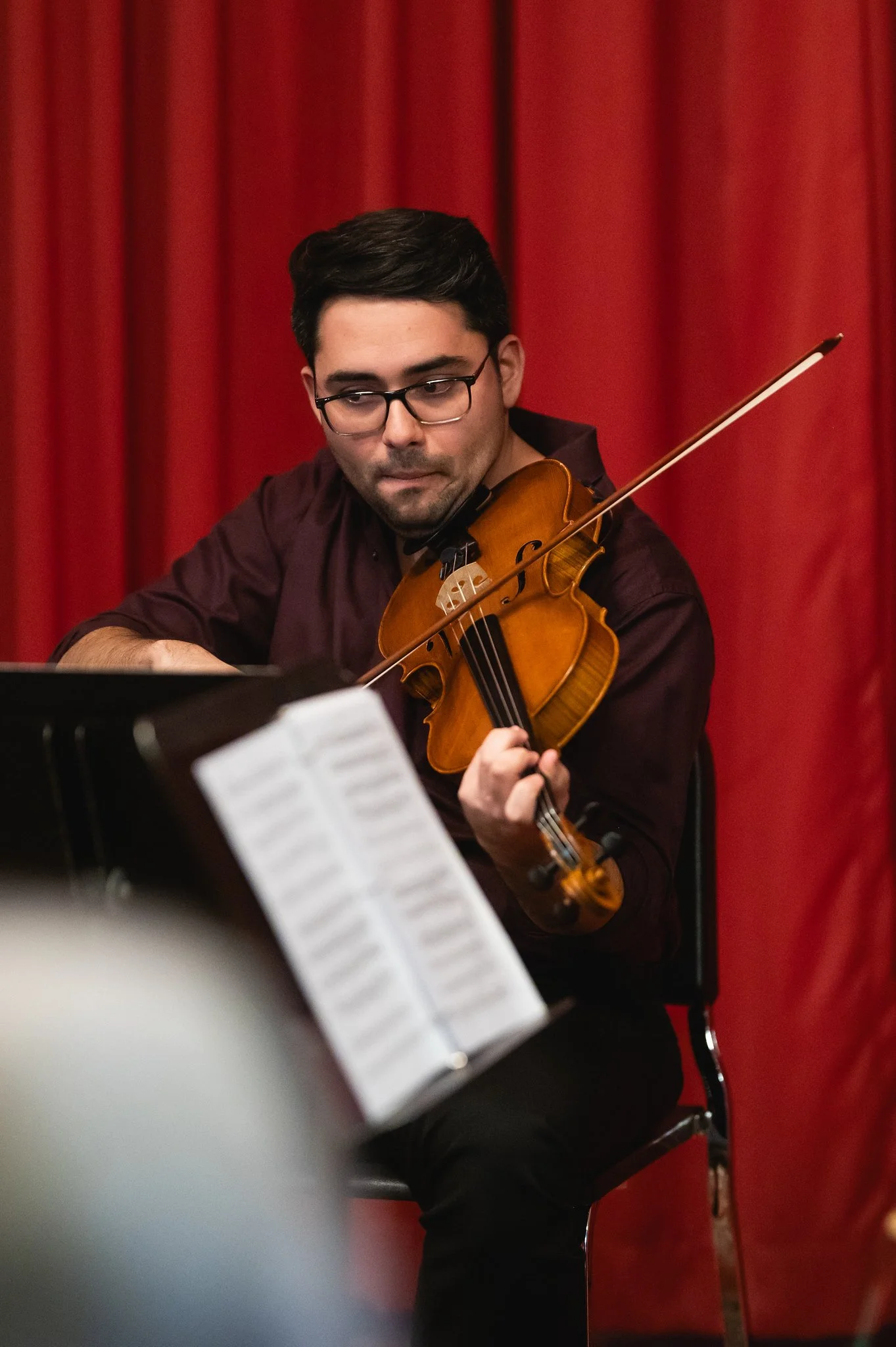
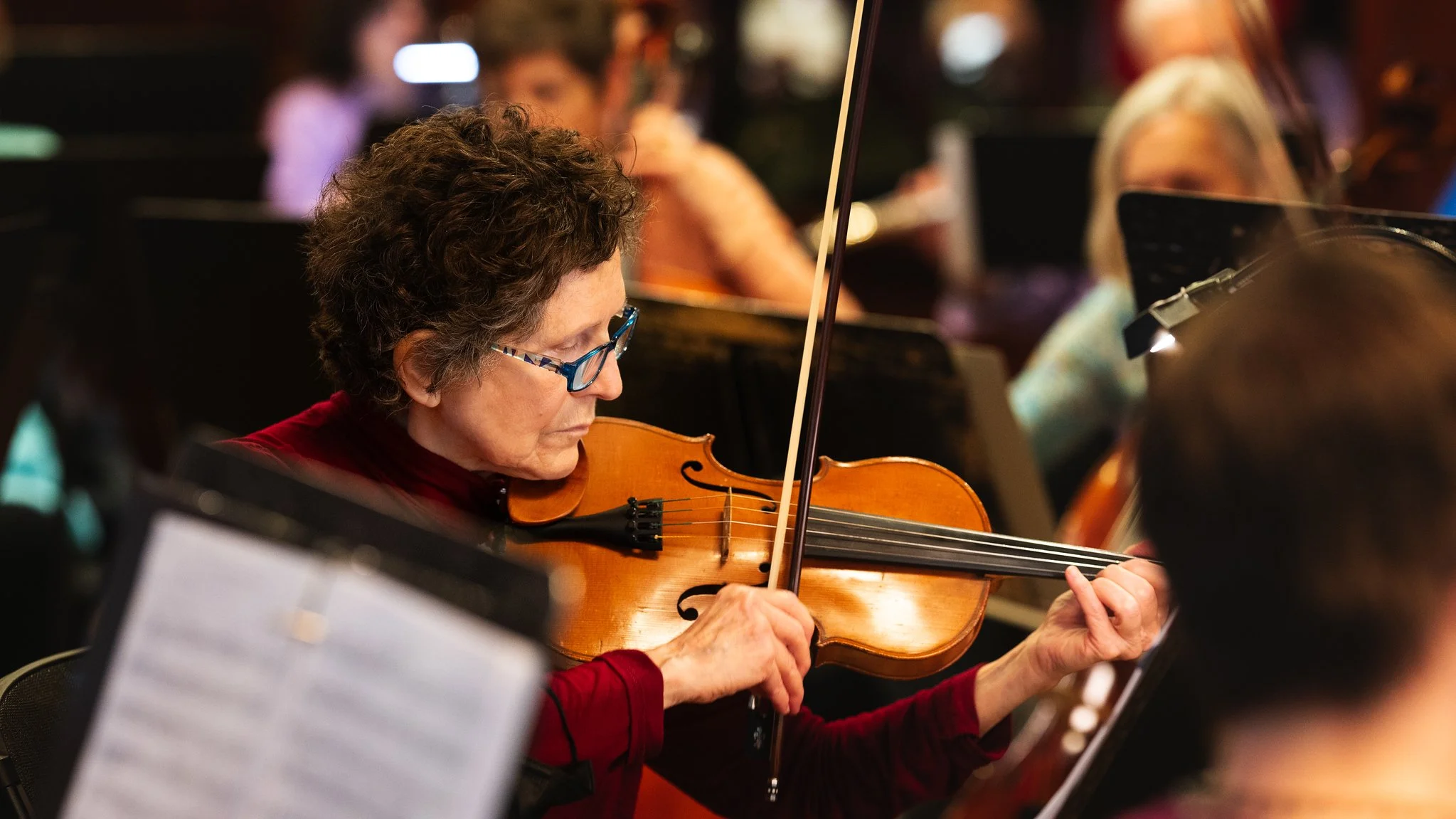
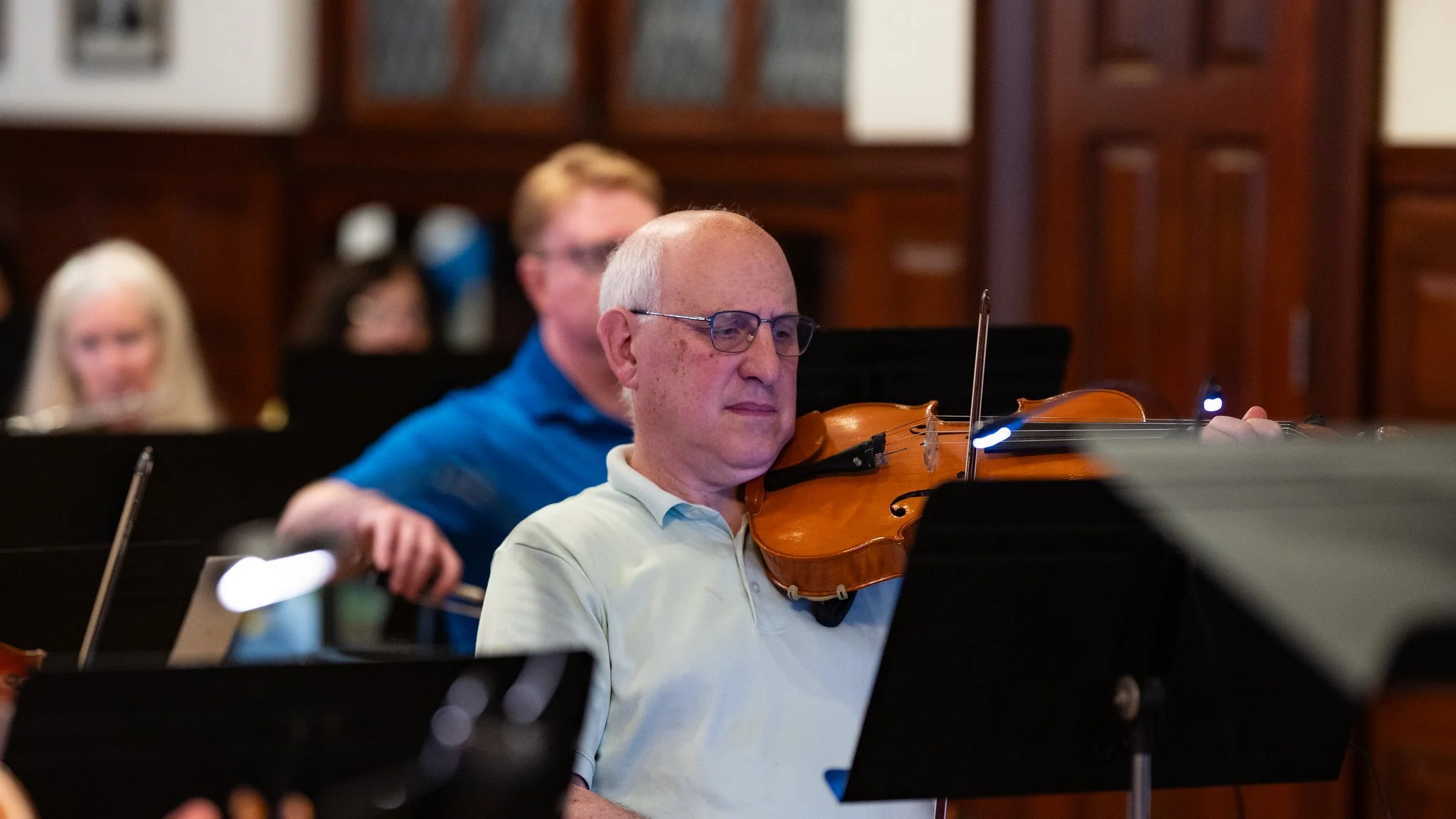
The viola is slightly bigger than a violin, at just over 2 feet long, and has thicker strings, which produce a warmer sound than the violin. You play the viola the same way as the violin, by resting it between your chin and shoulder. Your left-hand holds the neck of the viola and presses down on the strings to change the pitch, while your right-hand moves the bow or plucks the strings. Many viola players start on the violin, and switch or add the violin after a couple of years.
Best age to start: 6 years and up
Cello
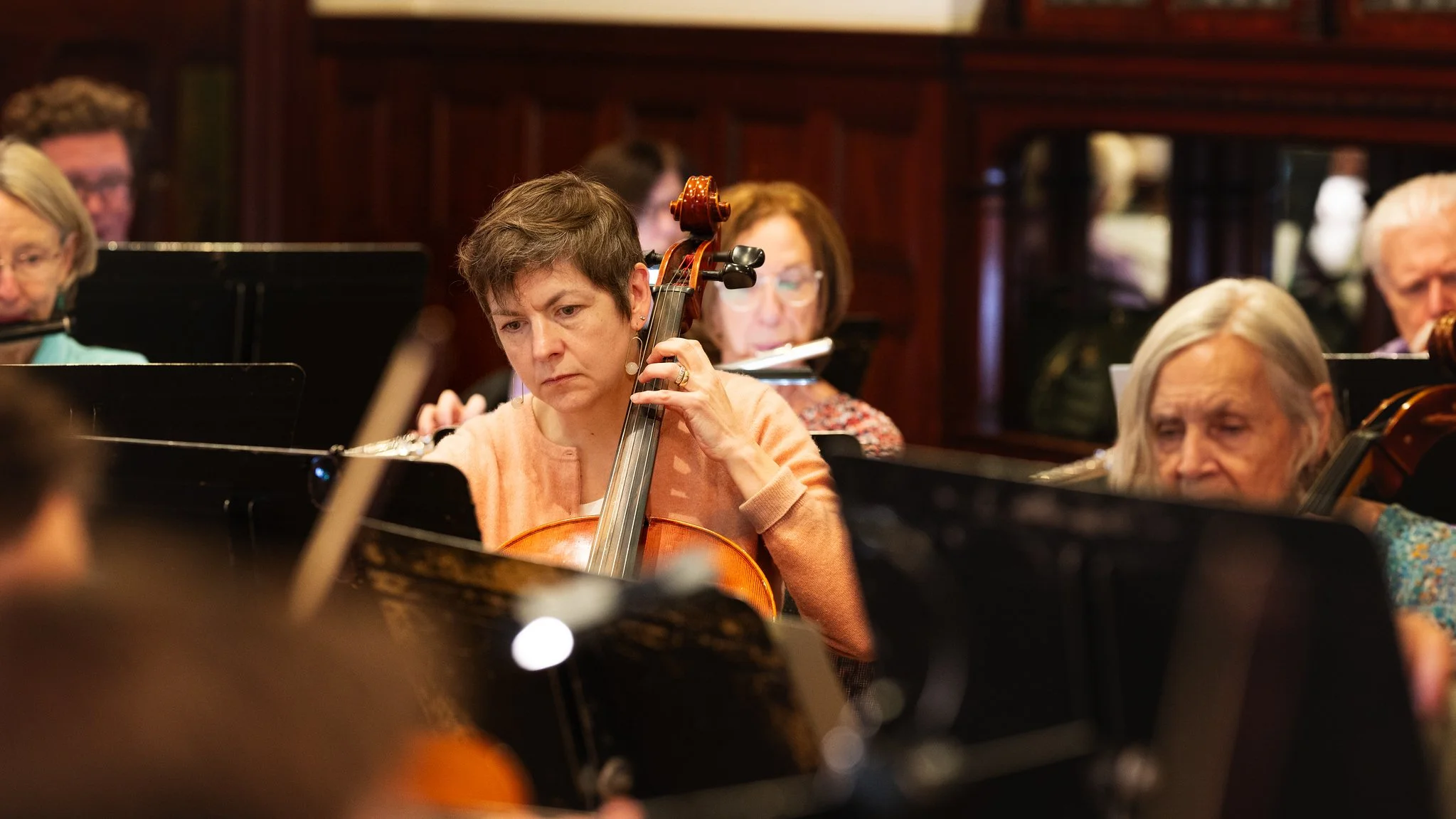
Personality: If you are emotive and bright, you may want to play a musical instrument that really allows you to express yourself, such as the cello. Cellists are versatile players and take on many roles in an orchestra or ensemble.
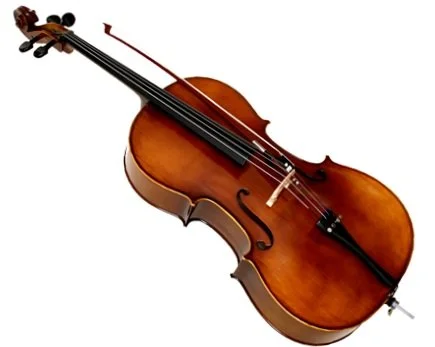
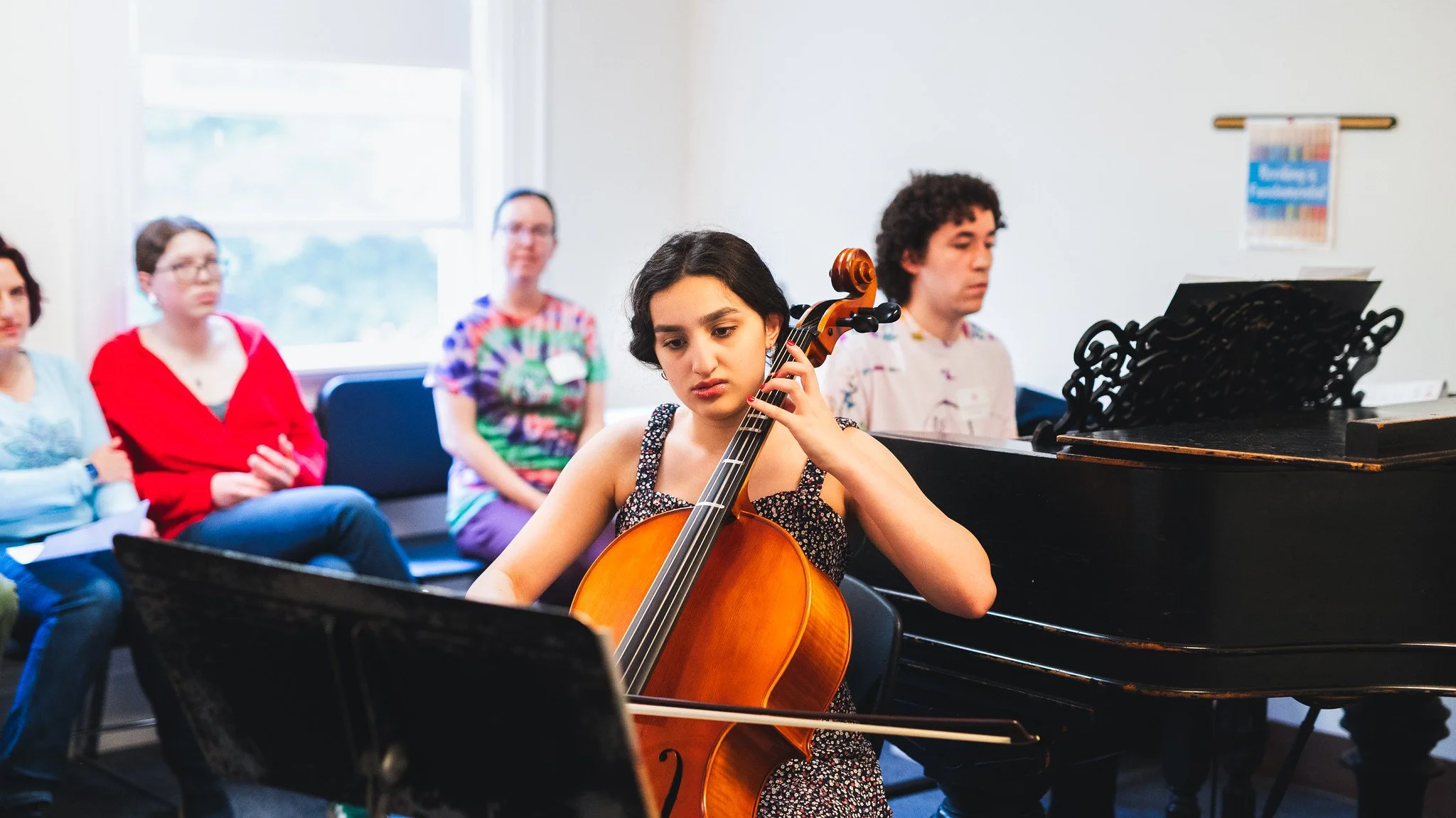
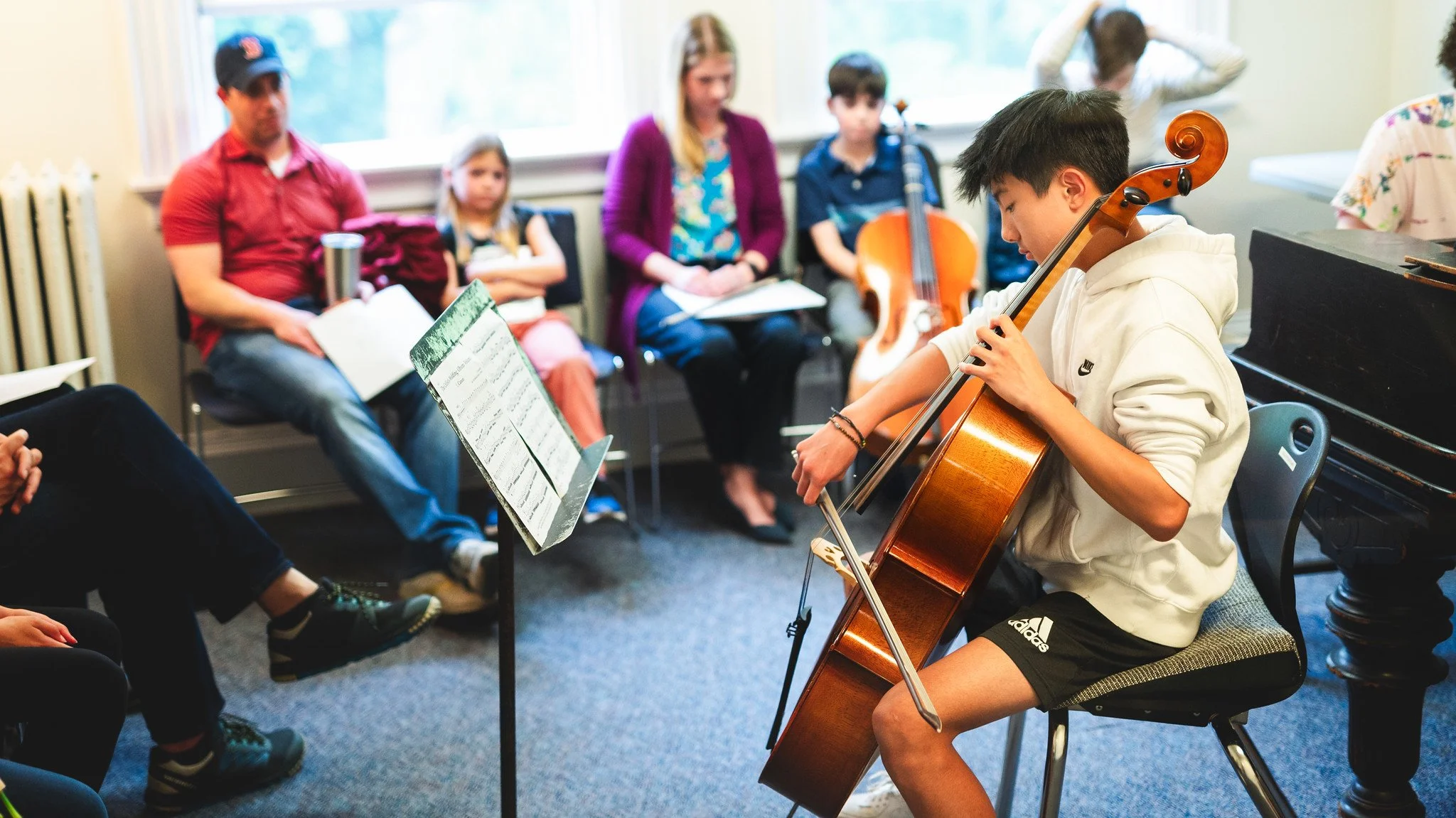
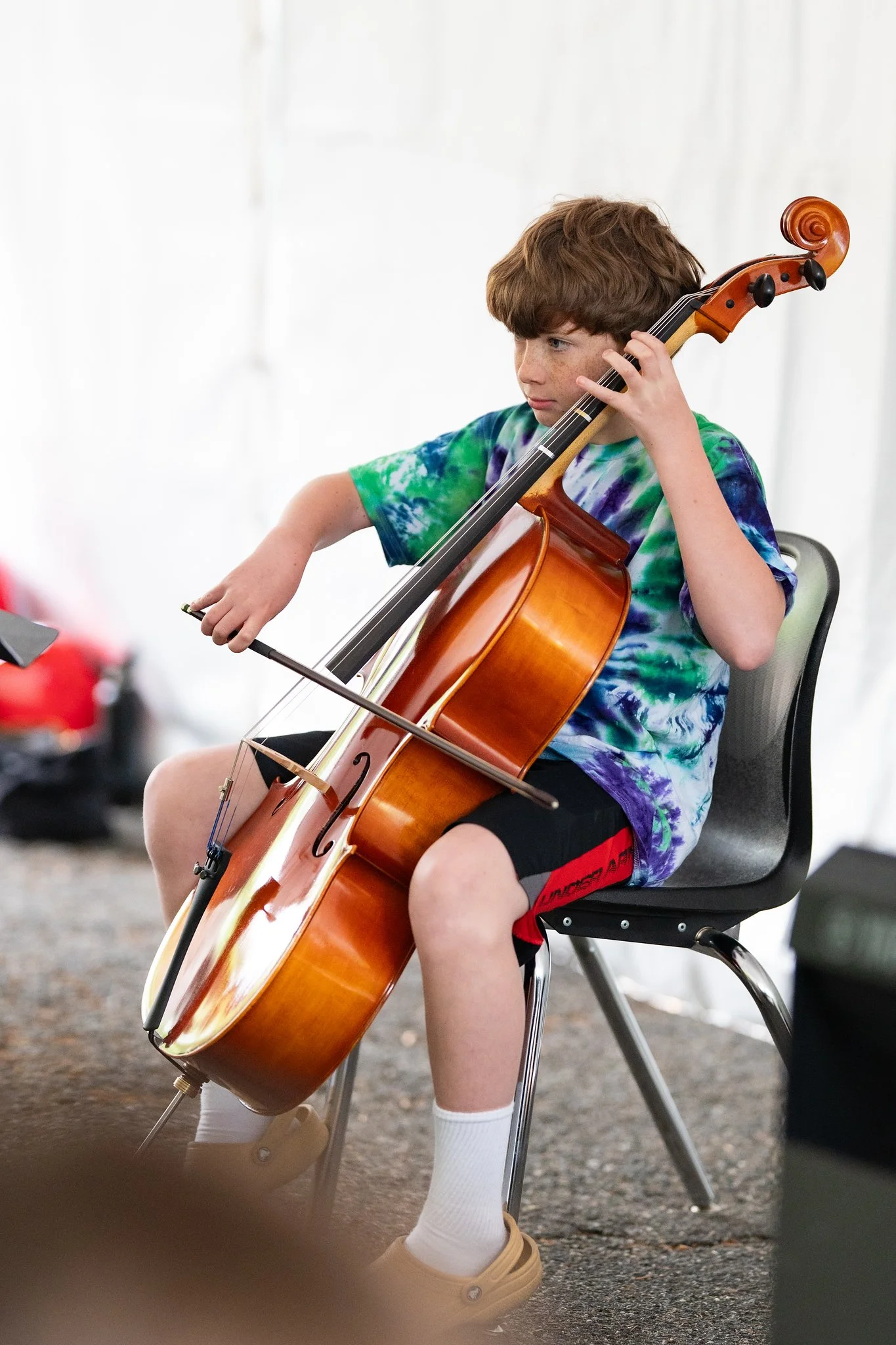
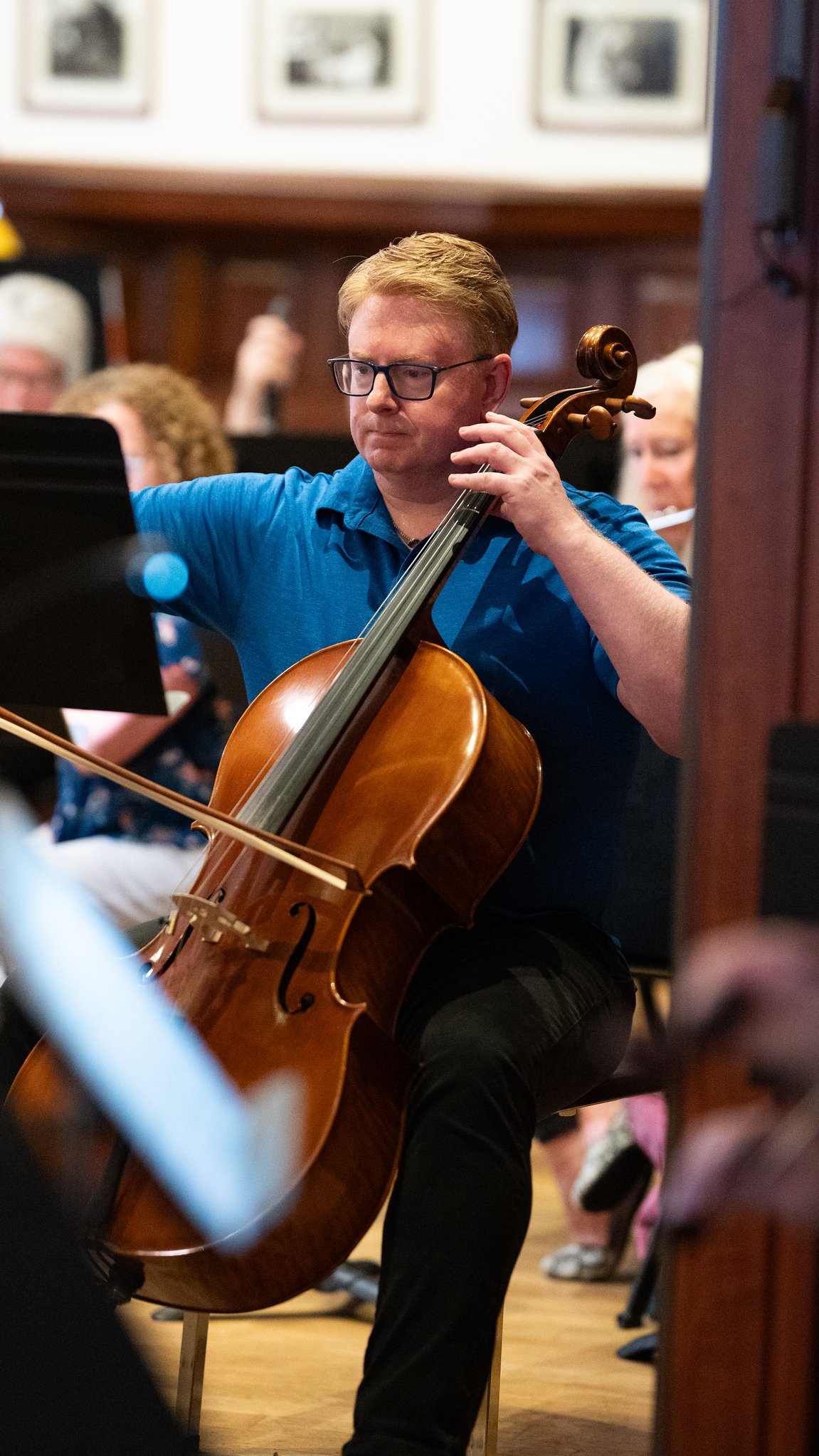
The cello might look like a large violin or viola, but it ‘s played sitting down with the instrument held between your knees. While a full-size cello is over 4 feet long, they actually come in sizes as small as 1/8, making them perfect for children!
The cello produces a beautiful, wide range of expressive tones that closely mimic the human voice. The body of the cello is elevated and supported by an adjustable endpin. To protect your hardwood floors and keep the instrument from slipping, we highly recommend using a rockstop or an endpin strap (though instrument rental shops, like Johnson Strings, will provide a basic rubber tip on the endpin). You play it similarly to a violin, using your left hand to press the strings for different notes and your right hand to bow or pluck.
Best age to start: 7 years and up
Double Bass (aka, Upright Bass)
Personality: Do you love to express yourself and stand out from the crowd? Are you determined and eager to try new things? If so, the double bass could be a great choice for you! Double bassists get to play the lowest notes in the whole orchestra and are essential to the overall sound of an ensemble.
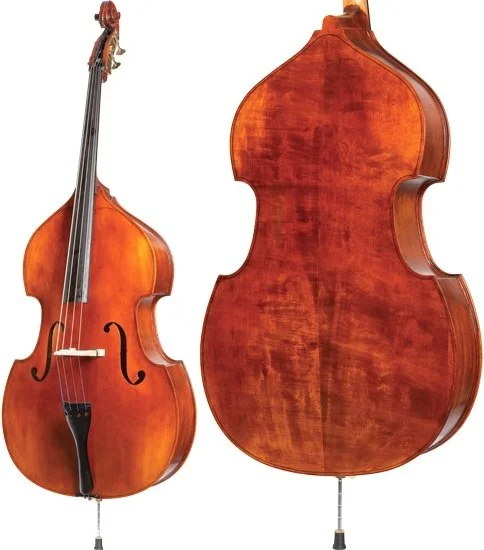
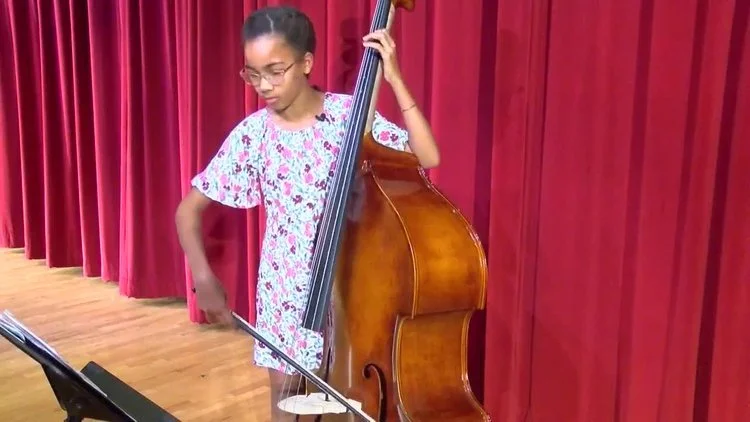
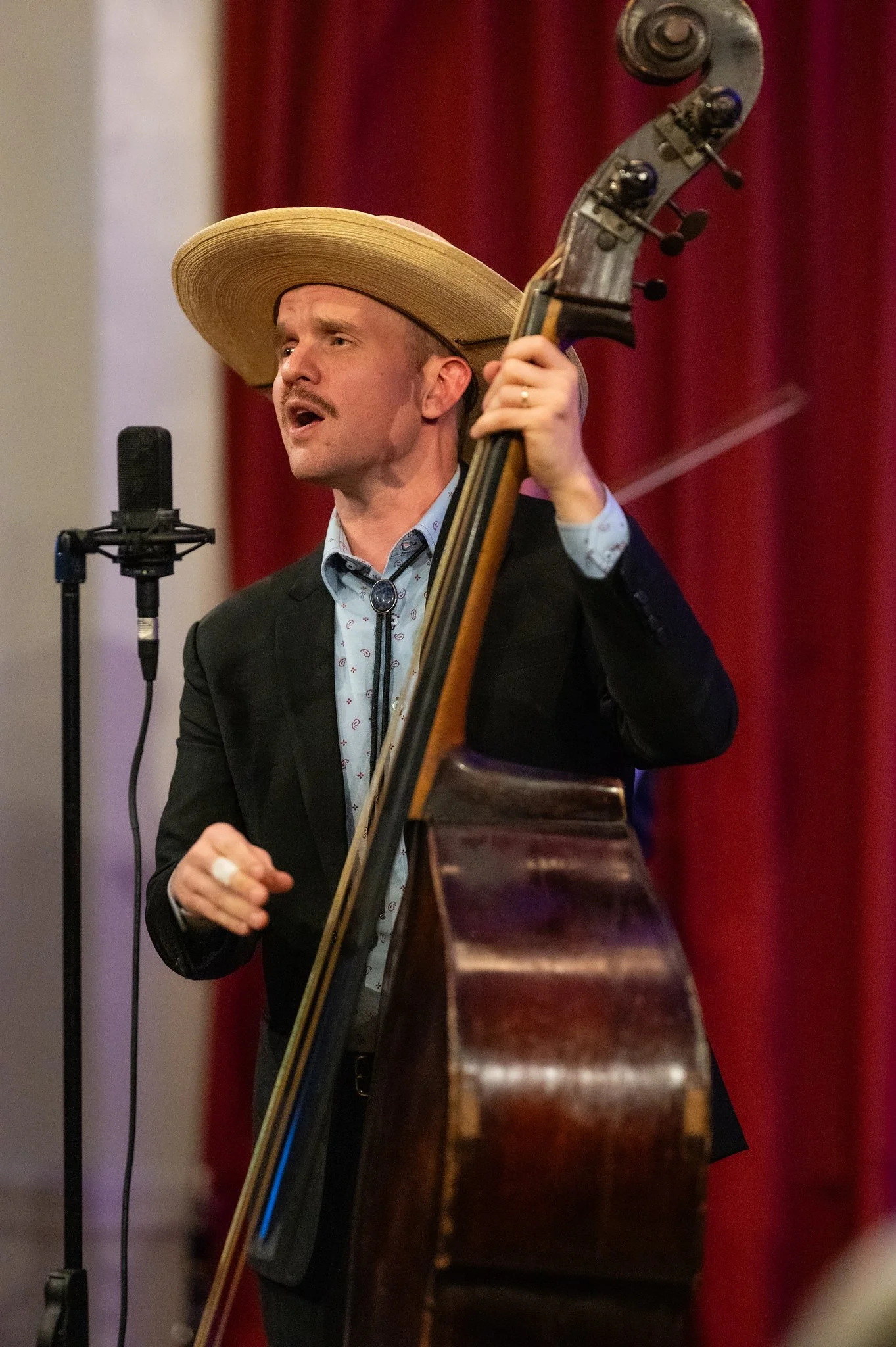
This is the giant of the string family. At over 6 feet long, the double bass is the biggest member of the string family, with the longest strings, which allow it to play very low notes. Basses are so big that you have to stand up or sit on a very tall stool to play them, and it helps if you have long arms and big hands. Like the cello, the body of the double bass stands on the ground, supported by a metal peg. You produce sound just like a cello, using the left hand to change pitch and the right to move the bow or pluck the string. The bass will not fit into a normal sedan, so we hope you have a vehicle to transport the instrument to concerts and recitals!
Best age to start: 10 years and up